

Travel Highlights
Pyeongchang, a City of Nature & Sports
- Date09/13/2021
- Hit81067
 Share
Share


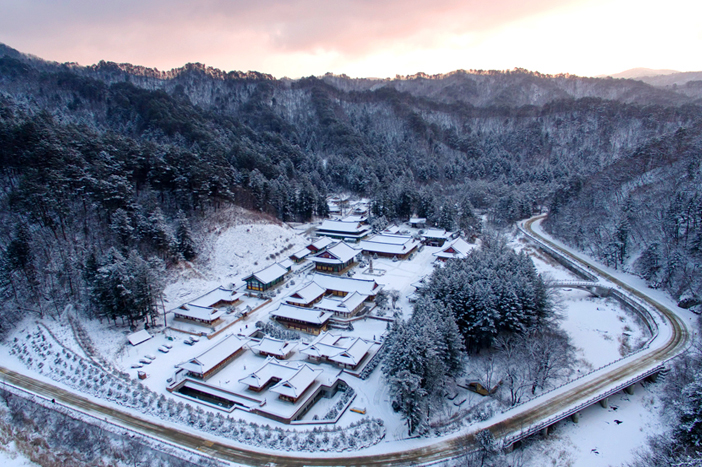
If the stresses and responsibilities of daily life have you feeling down, plan a trip to Pyeongchang. Your worries will fly away as you take in the pure air and beautiful scenery. The area offers wonderful outdoor activities year round, but the best time to visit is in winter, when the mountains are blanketed in snow. Visitors have a pick of the many ski resorts, some of the best in the nation, and winter festivals in the area. The city has so much to offer, it was selected as one of the “52 Places to Go in 2016” by American newspaper The New York Times. Keep reading for an in-depth look at all this eco-city has to offer.
Winter Sports Heaven! TOP 3 Resorts in Pyeongchang
Phoenix Snow Park
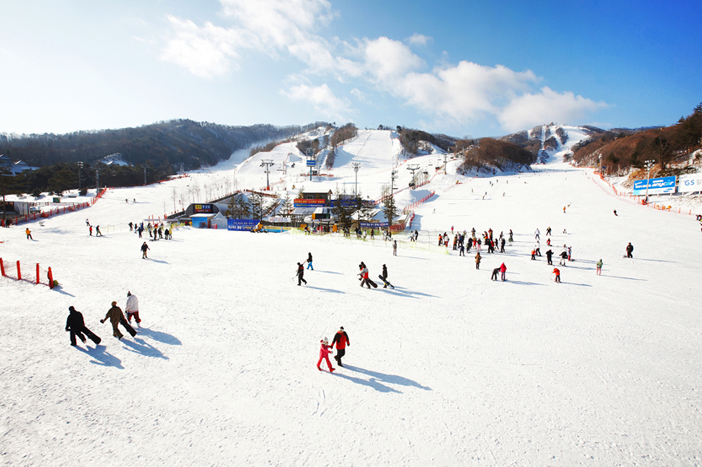
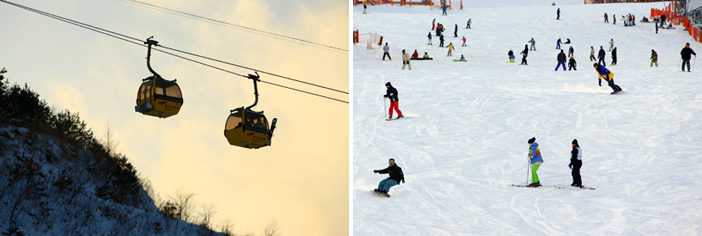
Phoenix Snow Park is one of Pyeongchang's many ski resorts. In addition to being the host venue for snowboard competitions, the resort features many slopes, including some certified by the International Ski Federation. Skiers can freely choose their course down the mountain from the peak.
- ☞ Address: 174, Taegi-ro, Bongpyeong-myeon, Pyeongchang-gun, Gangwon-do (강원도 평창군 봉평면 태기로 174)
- ☞ Ski season: November 30, 2018 – March 24, 2019
- ☞ Website: www.phoenixpark.co.kr (Korean, English, Japanese, Chinese)
Alpensia Resort
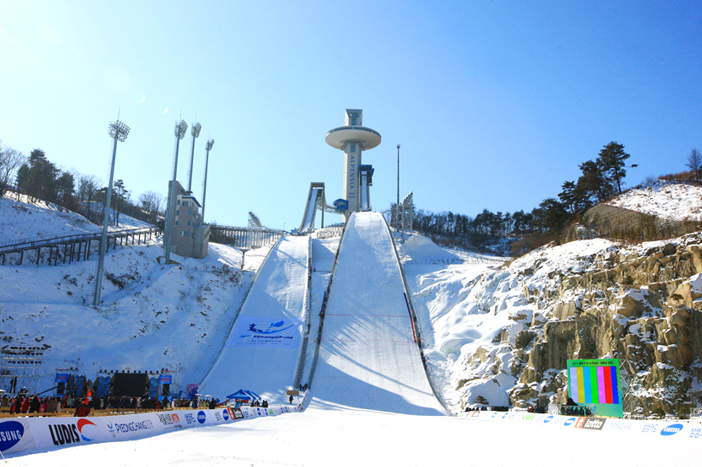
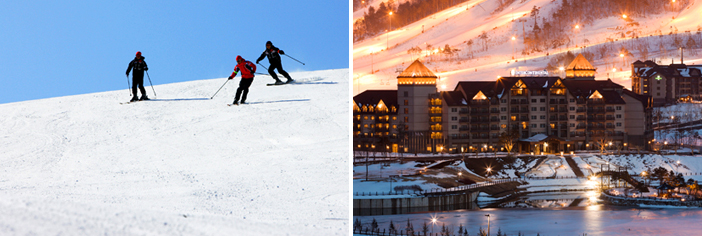
Alpensia Resort is a tourism complex located in the beautiful and pure nature of Daegwallyeong mountain pass. With a name meaning “Fantastic Alps of Asia,” the resort is popular year round. The resort is divided into a winter sports area, golf village and resort area. The resort’s main area features hotels and condominiums, as well as entertainment facilities such as Alpensia Ocean 700, a year-round indoor water park. In addition, the winter sports section consists of a variety of ski slopes and a ski jump tower.
The ski jump tower was used for the ski jumping competition of the Pyeongchang 2018 Olympic Winter Games. The ski jump tower serves as an observatory and is open to the public. Visitors can take a monorail up to this great vantage point to view the beautiful scenery. Visitors can also sign up for a special tour to also indirectly experience the thrill of ski jumping at the athletes’ regular practice zone.
- ☞ Addrss: 325, Solbong-ro, Daegwallyeong-myeon, Pyeongchang-gun, Gangwon-do (강원도 평창군 대관령면 솔봉로 325)
- ☞ Ski Jump Tower (Observatory)
- Operating hours: 09:20 (first monorail up)-17:55 (last monorail down) * Last special tour 16:55
- General admission: Adults 2,000 won / Teenagers 1,500 won / Children 1,000 won
- Special tour: Adults 6,000 won / Teenagers 4,000 won / Children 3,000 won
* Adults (ages 19 and older) / Teenagers (ages 13-18) / Children (ages 12 and younger)
* General admission includes free admission to Ski History Museum and Baby Photo Zone
* Special tour includes free admission to K98, Haneulgil Ramp experience, Ski History Museum, and Baby Photo Zone. - ☞ Ski season: November 30, 2018 – Mid-March 2019 (undecided)
- ☞ Website: www.alpensiaresort.co.kr (Korean, English, Japanese, Chinese)
Yongpyong Resort
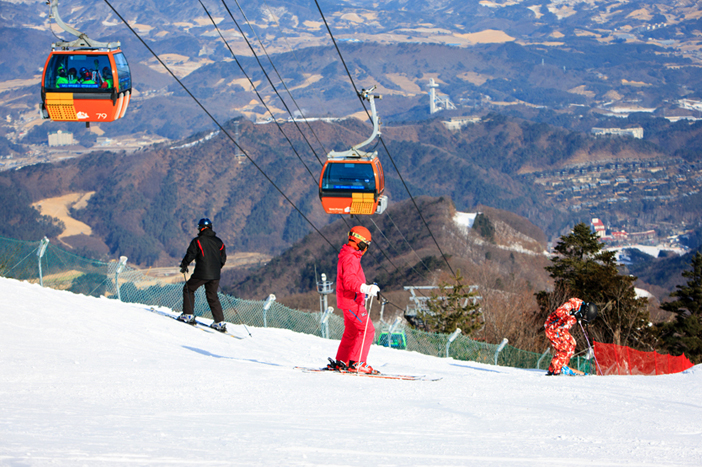
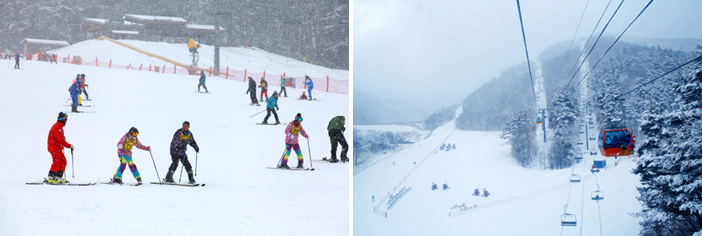
Yongpyong Resort has many different slopes, as well as the longest slope in the nation, drawing in many visitors every year. The fun doesn't stop when the ski season ends; from spring to fall, guests can enjoy golfing and extreme sports such as a zip line and the mountain coaster. The mountains are especially beautiful for hiking in spring and autumn. We recommend taking the gondola to the peak and enjoying the fresh air as you hike down.
- ☞ Address: 715, Olympic-ro, Daegwallyeong-myeon, Pyeongchang-gun, Gangwon-do (강원도 평창군 대관령면 올림픽로 715)
- ☞ Ski season: November 23, 2018 – March 17, 2019
- ☞ Website: www.yongpyong.co.kr (Korean, English, Chinese)
Explore Pyeongchang’s Nature
A vast landscape awaits at Daegwallyeong Samyang Ranch
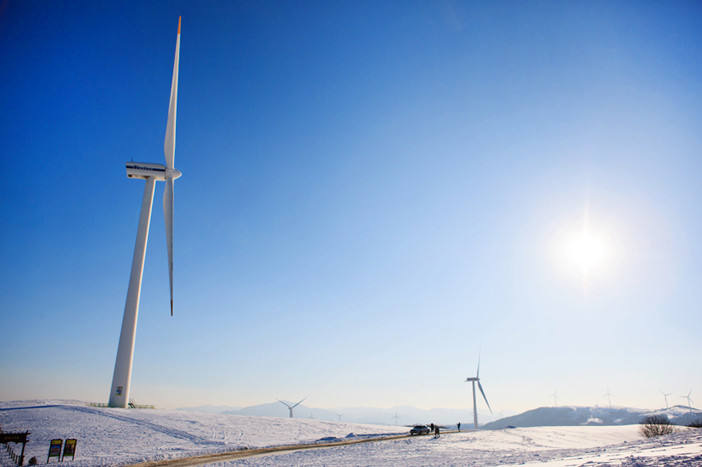
Asia's largest green pasture, Daegwallyeong Samyang Ranch is home to herds of cows and sheep, which graze across the extensive grasslands; the stretch of towering wind turbines on the top of the hill creates a fantastic landscape, making it a must-go destination. In spring, the pasture blooms with wildflowers, and cool breezes blow away the summer heat. The mountains display their majesty with autumn foliage while white snow blankets the fields in winter. No matter the season, Samyang Ranch is always a sight to behold.
From the entry plaza to the observation point is a stretch of about 4.5 kilometers. When the skies are clear, visitors can see as far as the East Sea. As it is located on the highlands, the vast temperature difference makes it much colder at the peak, so preparing long-sleeved clothing is recommended, even during summer.
- ☞ Address: 708-9, Kkotbadyangji-gil, Daegwallyeong-myeon, Pyeongchang-gun, Gangwon-do (강원도 평창군 대관령면 꽃밭양지길 708-9)
- ☞ Operating hours: November-April 09:00-16:00, May-October 08:30-17:30
- ☞ Admission: Adults 9,000 won / Children 7,000 won
* Adults (ages 19 and older) / Children (ages 3-18) - ☞ Website: www.samyangranch.co.kr (Korean, English, Chinese)
The Alps of Korea, Daegwallyeong Sheep Farm

Often described as the "Alps of Korea," Daegwallyeong Sheep Farm is where visitors can appreciate and enjoy the picturesque landscape of wide grass fields along with the eastern coast against the clear blue skies. During spring, summer and autumn, herds of white sheep roam on the spacious green plains.
Daegwallyeong Sheep Farm is most famous in winter as it is especially known amongst photographers for the perfect amount of snow which covers the fields like a blanket. An approximately 1.2 meter-long walking trail surrounds the sheep’s grazing field. Visitors can view the sheep and take pictures from all angles as they stroll along the path.
- ☞ Address: 482-32, Daegwallyeongmaru-gil, Daegwallyeong-myeon, Pyeongchang-gun, Gangwon-do (강원도 평창군 대관령면 대관령마루길 483-32)
- ☞ Operating hours: November-February 09:00-17:00, March & October 09:00-17:30, April & September 09:00-18:00, May-August 09:00-18:30
* Last admission one hour before closing
* Closed the day of Seollal (Lunar New Year’s Day) & Chuseok (Korean Thanksgiving Day)
* Subject to abrupt closure in the case of inclement weather - ☞ Admission: Adults 5,000 won / Children 4,000 won
* Adults (ages 19 and older) / Children (ages 4-18)
* Children under 4 years enter free - ☞ Website: www.yangtte.co.kr (Korean only)
Discover Korea’s History in Pyeongchang
Experience Korea’s food culture at Jeonggangwon
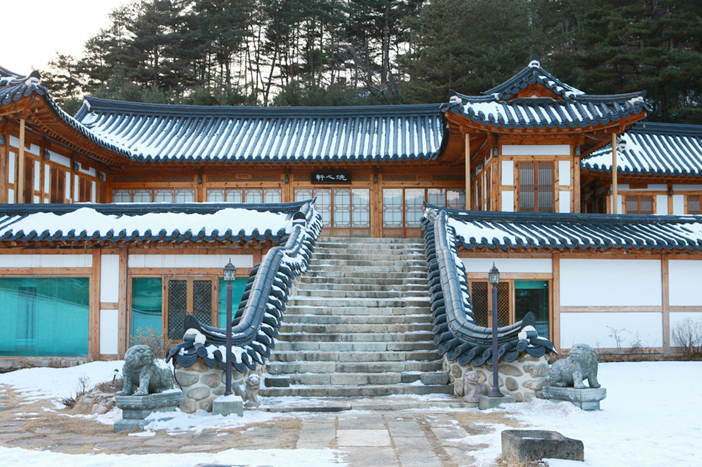
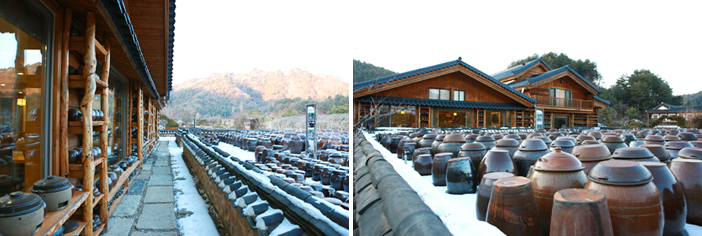
Jeonggangwon was established in order to preserve, research, distribute and promote the values and merits of traditional Korean food culture to the world. The hanok-style buildings of Jeonggangwon include a food museum, as well as a hanbok experience and cooking lessons. A restaurant that offers traditional hanjeongsik (Korean table d’hôte) is also available. The beautiful hanok buildings, garden, and hundreds of jangdok (traditional Korean crock) gathered together are especially popular among international visitors.
- ☞ Address: 2010-13, Geumdanggyegok-ro, Yongpyeong-myeon, Pyeongchang-gun, Gangwon-do (강원도 평창군 용평면 금당계곡로 2010-13)
- ☞ Operating hours: 09:00-19:00 / Closed the day of Seollal (Lunar New Year’s Day) & Chuseok (Korean Thanksgiving Day)
- ☞ Fees: Free admission to Food Museum / Hanbok experience 8,000 won / Separate fees apply for hands-on activities
- ☞ Website: www.jeonggangwon.com (Korean, English, Japanese, Chinese)
Temple within a fir tree forest, Woljeongsa Temple & Museum
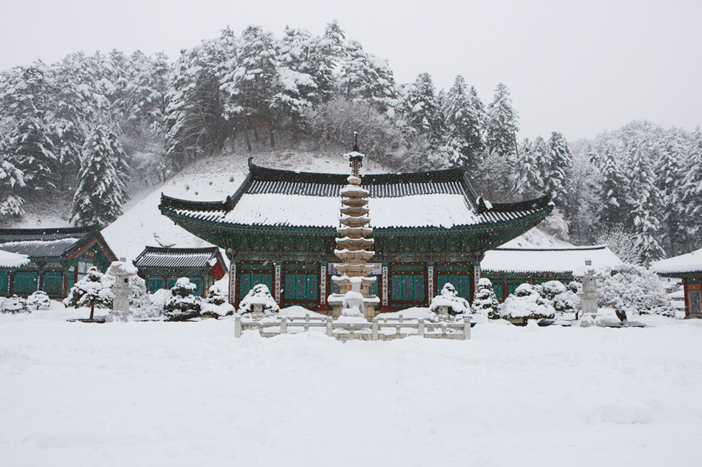
Woljeongsa Temple boasts a history of over one thousand years, making it a proud cultural site in Pyeongchang. Although many cultural assets were destroyed during the Korean War and then later reconstructed, visitors can still sense the strong coexistence of Odaesan Mountain’s nature with Woljeongsa Temple’s dignity and spirit.
Woljeongsa Temple has many national treasures, including an octagonal nine-story stone pagoda. Other national treasures that have been excavated are preserved in Woljeongsa Museum, a definite must if you are visiting the temple.
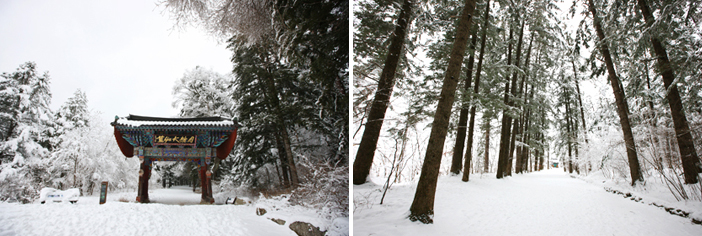
From the entrance of Woljeongsa Temple, a separate road leads off to a path through a dense fir tree forest. Not only magnificent in appearance, walking through this pathway filled with fir trees can be equally relaxing and refreshing to one’s mind, making it a popular destination among the locals.
- ☞ Addresses
- Woljeongsa Temple: 374-8, Odaesan-ro, Jinbu-myeon, Pyeongchang-gun, Gangwon-do (강원도 평창군 진부면 오대산로 374-8)
- Woljeongsa Museum: 176, Odaesan-ro, Jinbu-myeon, Pyeongchang-gun, Gangwon-do (강원도 평창군 진부면 오대산로 176) - ☞ Operating hours
- Woljeongsa Temple: 2 hours before sunrise - sunset
- Woljeongsa Museum: December-January 09:30-16:30, February-March & October-November 09:30-17:00, April-September 09:30-17:30 / Closed Mondays & January 1 - ☞ Admission
- Woljeongsa Temple: Adults 3,000 won / Teenagers 1,500 won / Children 500 won
* Adults (ages 19-64) / Teenagers (ages 13-18) / Children (ages 7-12)
- Woljeongsa Museum: Free - ☞ Websites
- Woljeongsa Temple: woljeongsa.org (Korean, English)
- Woljeongsa Museum: www.woljeongsamuseum.or.kr (Korean only)
More Info
- ☞ Transportation (Seoul → Pyeongchang)
Dong Seoul Bus Terminal → Pyeongchang Bus Terminal (First bus 07:00, last bus 19:15 / Travel time approx. 2 hrs 20 min)
Dong Seoul Bus Terminal → Jangpyeong Bus Stop (First bus 06:40, last bus 15:00 / Travel time approx. 2 hrs)
Dong Seoul Bus Terminal → Hoenggye Intercity Bus Stop (First bus 06:40, last bus 15:00 / Travel time approx. 2 hrs 20 min)
Seoul Nambu Terminal → Jangpyeong Bus Stop (First bus 06:30, last bus 19:20 / Travel time approx. 1 hr 50 min)
Seoul Nambu Terminal → Hoenggye Intercity Bus Stop (First bus 06:30, last bus 19:20 / Travel time approx. 2 hrs 30 min) - ☞ Related suggested itineraries
Two Days in the Pure Scenery of Pyeongchang & Jeongseon
Travel Through Gangwon-do’s Scenic Beauty - ☞ Pyeongchang Tourism website: tour.pc.go.kr (Korean, English, Japanese, Chinese, German, French)
- ☞ 1330 Korea Travel Hotline: +82-2-1330 (Korean, English, Japanese, Chinese, Russian, Vietnamese, Thai, Malay)
* This column was last updated in February 2019, and therefore information may differ from what is presented here. We advise you to check details before visiting.